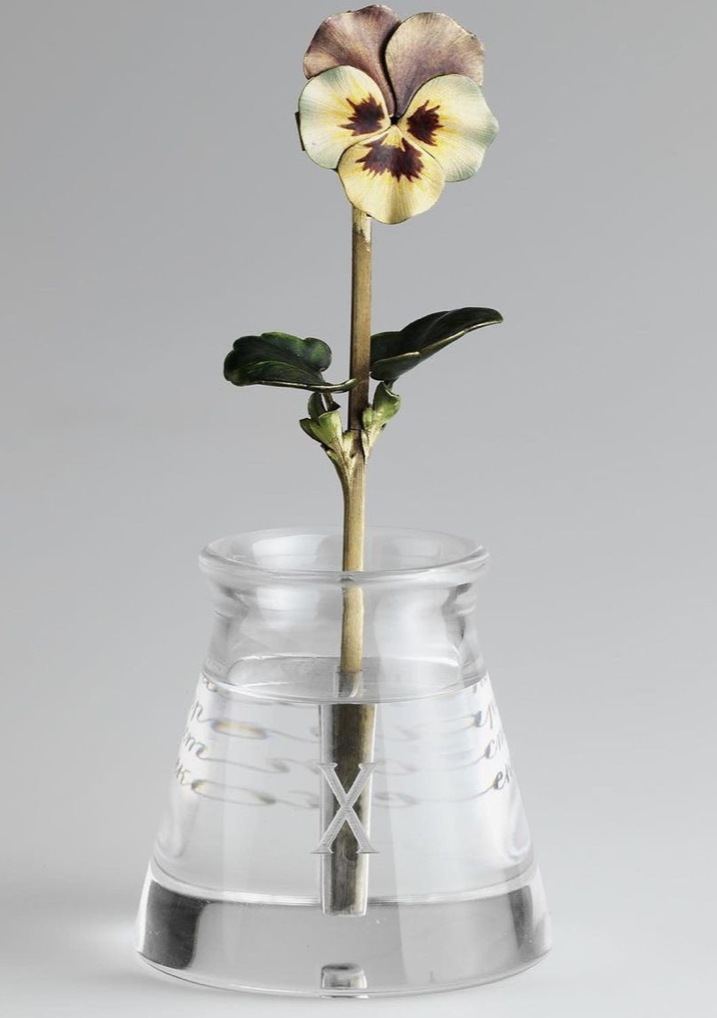
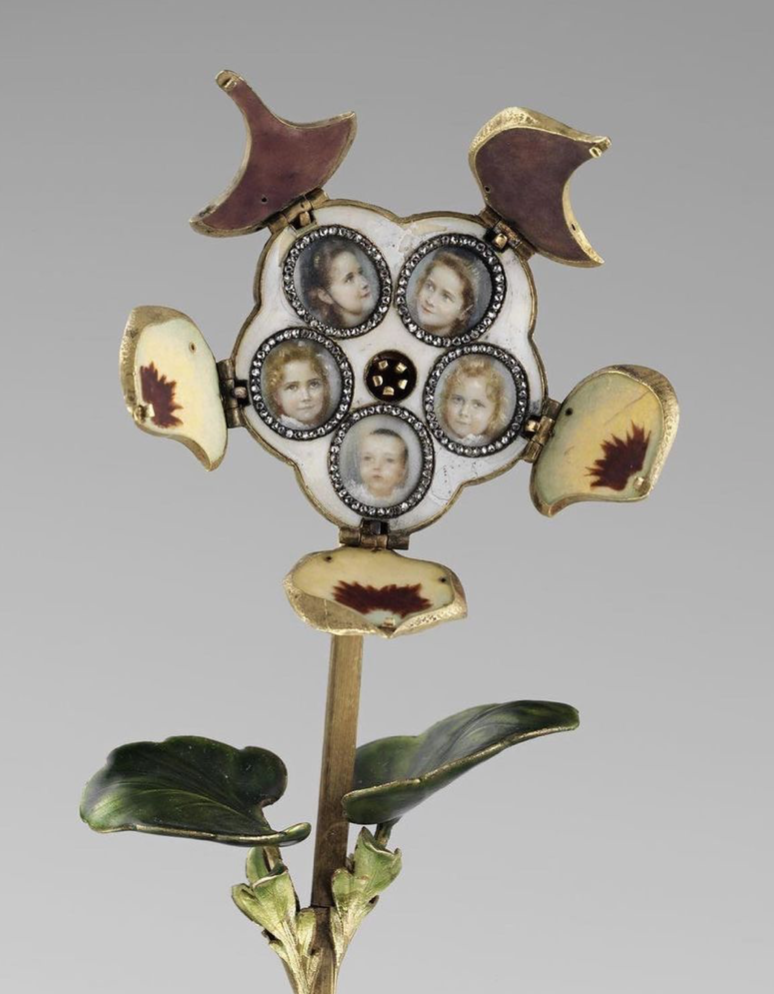
It’s not the eggs, but the flowers that first capture our attention at the V&A’s Fabergé show. In the first room, a tiny pansy with 5 petals opens to reveal the portraits of five children encircled with diamonds; a gift from Emperor Nicholas II to Empress Alexandra Feodorovna for their 10th wedding anniversary in 1904.
Intensely romantic gifts like this are the foundation of the exhibition: how lovely to be on the receiving end. Here we pick out a few more of our favourite pieces from the 200 objects on display that chart the rise of Carl Fabergé, official royal goldsmith to the Russian Imperial family. Strengthened by the opening of his London shop in 1903, his jewels became the favourite gifts of the royal family, aristocrats, financiers, heiresses and socialites in the early twentieth century until war and Revolution swept it all away.
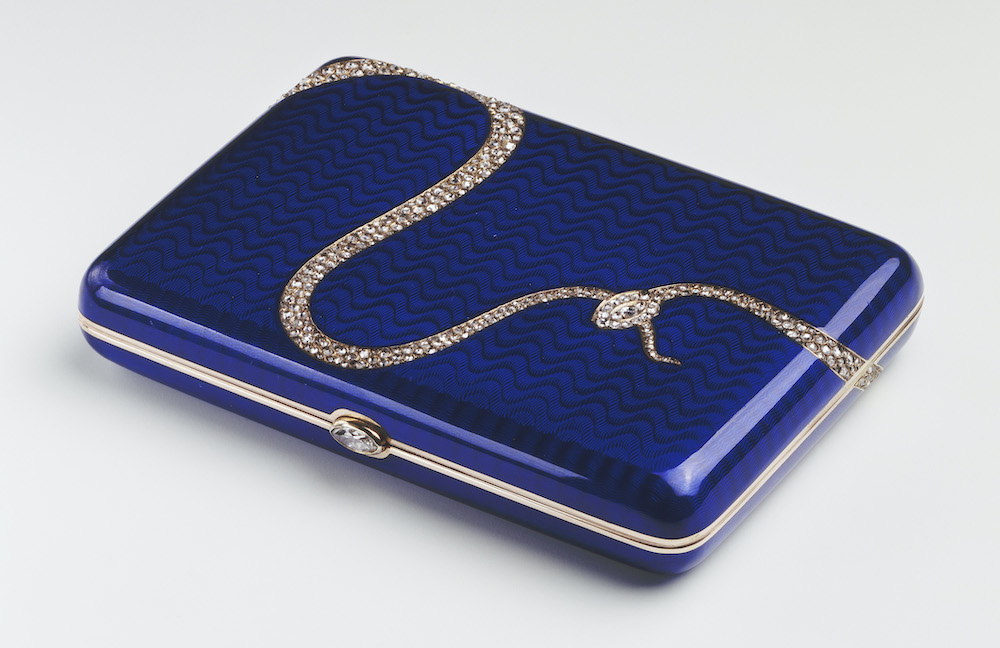
This cigarette case was given by King Edward to his mistress Mrs George Keppel with a snake laid in diamonds biting its tail – a cheeky symbol of unbroken love.
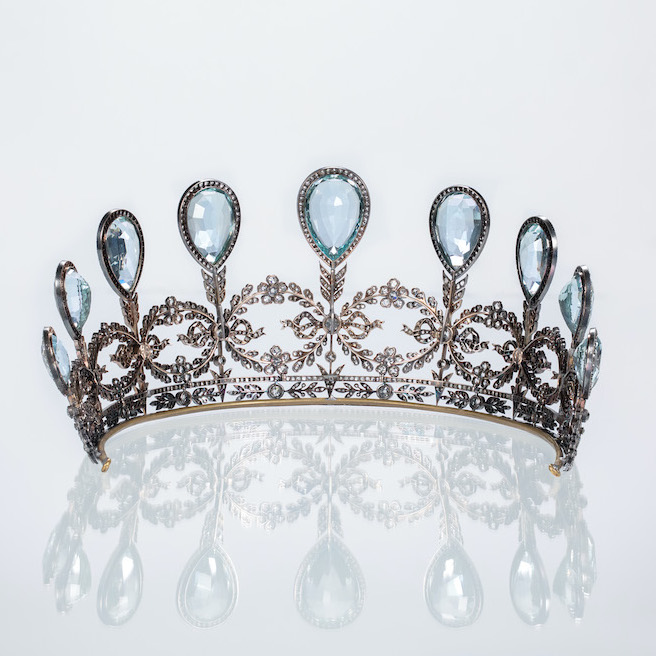
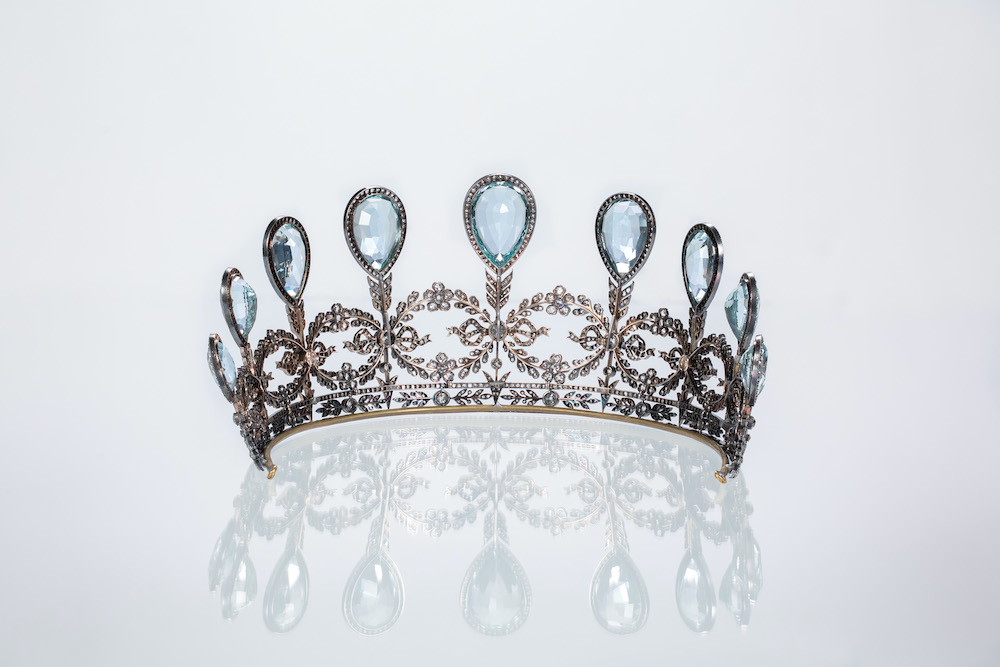
There’s no missing this sizable aquamarine and diamond tiara – a token of love from Frederick Francis IV, Grand Duke of Mecklenburg-Schwerin to his bride on their wedding day. The diamond Cupid’s arrows point down to inspire love to bloom in her mind.
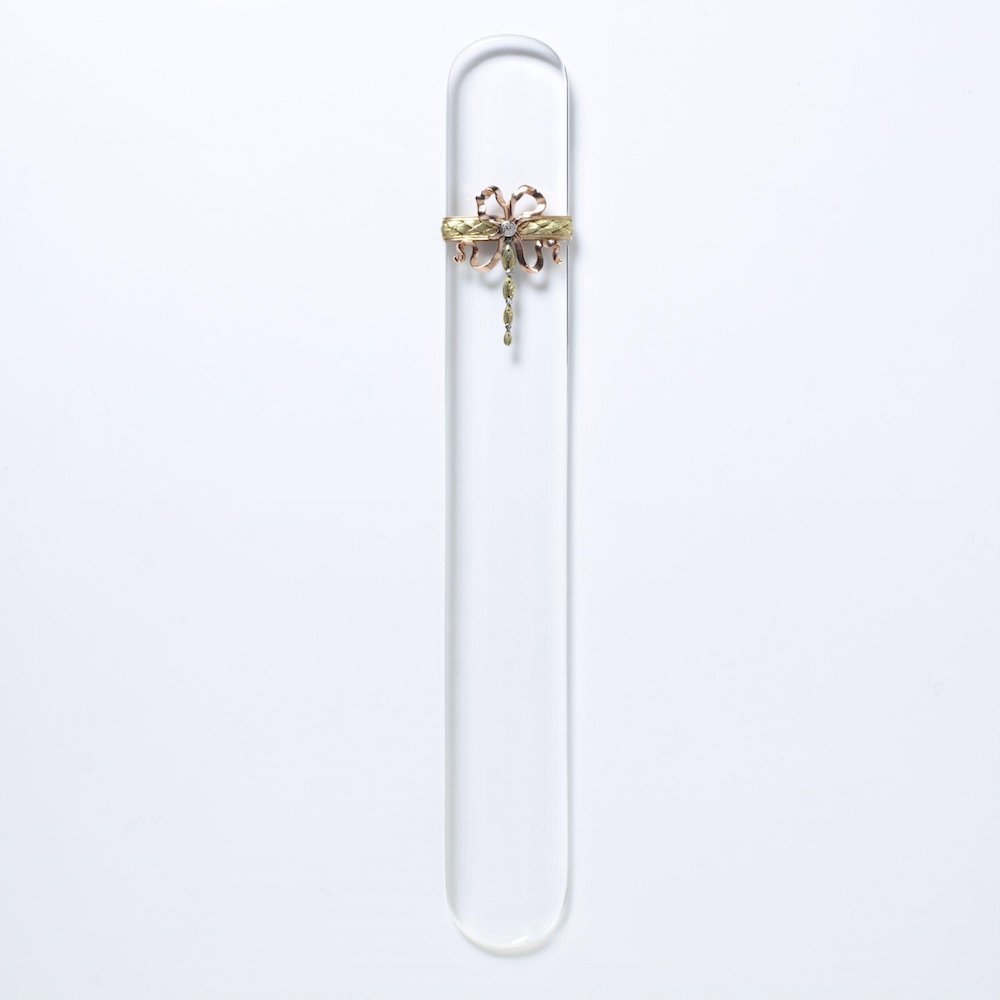
How pretty is this rock crystal letter opener? There’s a whole collection of these in the exhibition, an object that’s gone out of use but would have once been an important part of life.
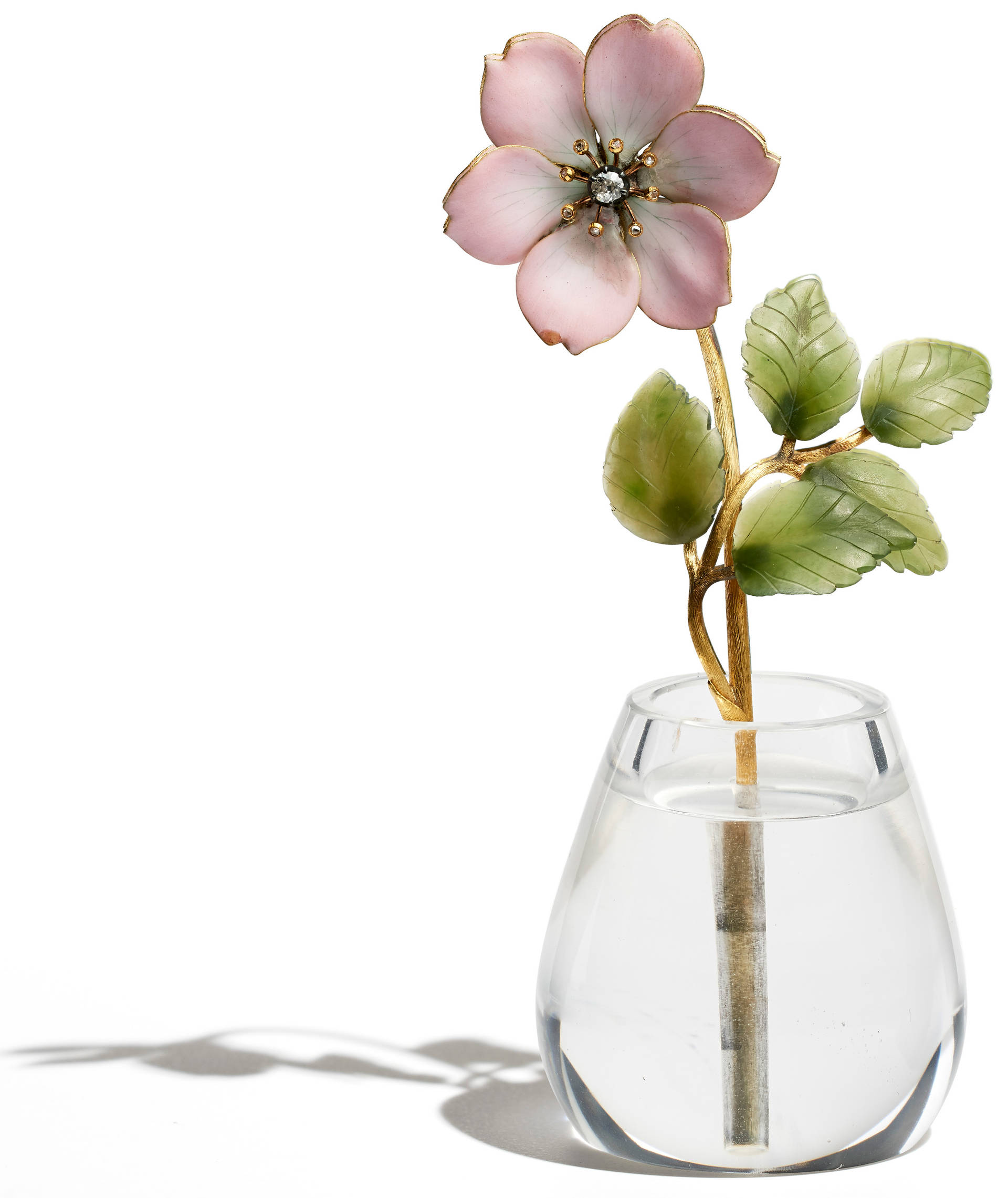
The flowers are exquisite. This rose was part of Fabergé’s stock when the London shop closed in 1917.
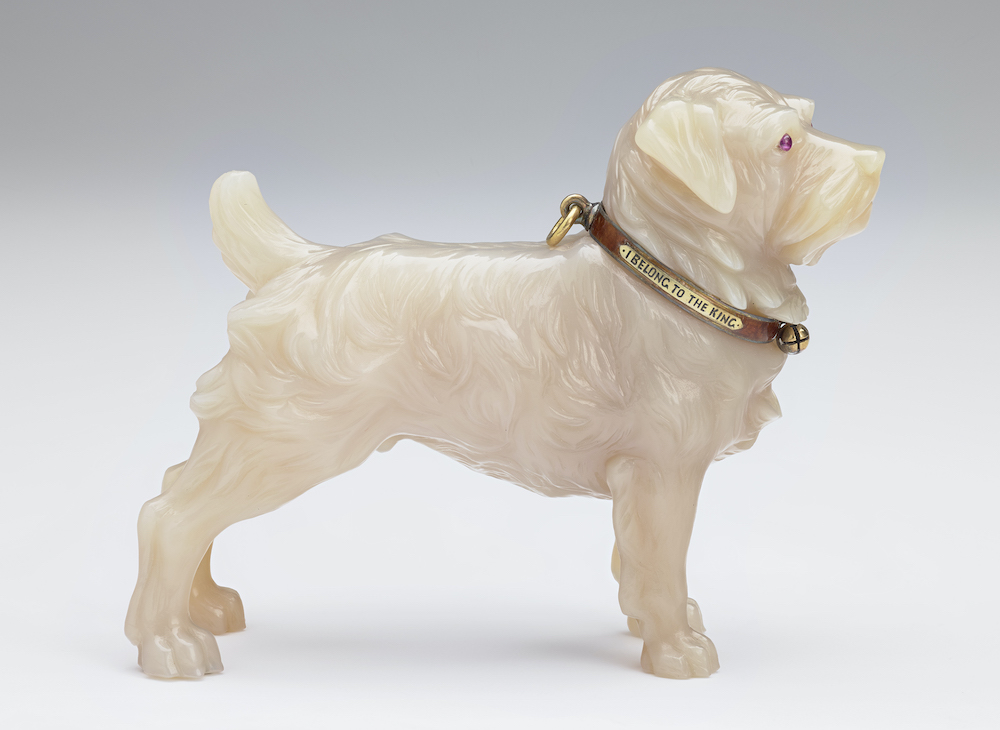
Of course, the collection of British monarchy includes plenty of dogs and horses. This is a portrait of Caesar, King Edward VII’s favourite fox terrier with a collar inscribed, ‘I belong to the King.’
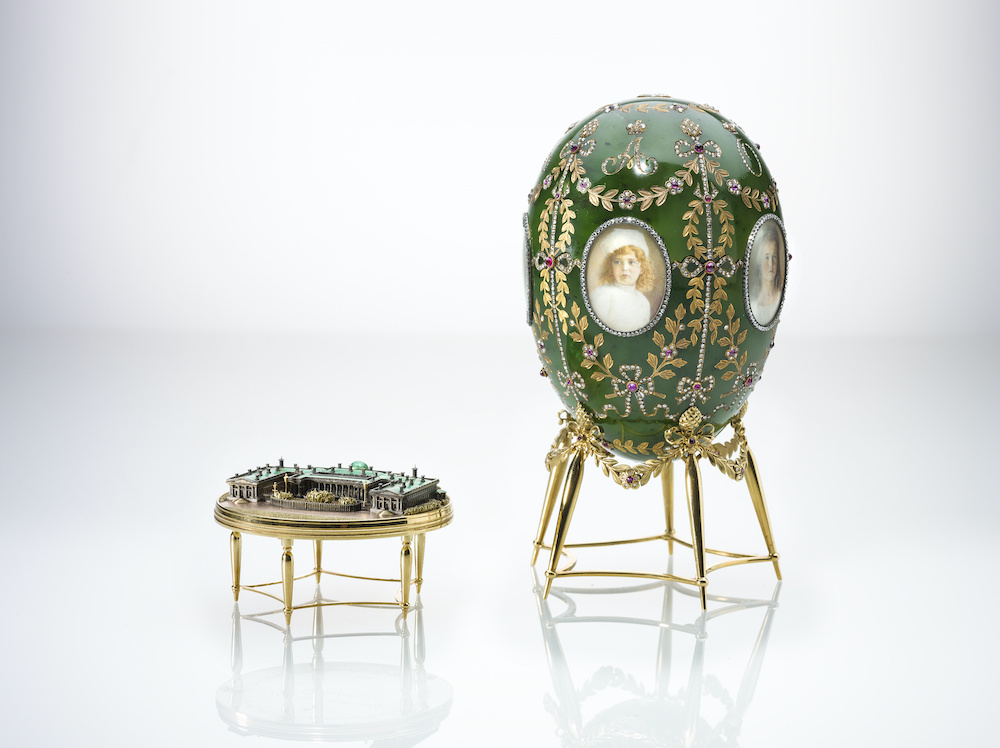
The exhibition concludes with a room that displays 15 of Fabergé’s iconic Imperial Easter Eggs, the largest collection on public display for 25 years. They each contain a Kinder-egg style surprise inside. This Alexander Palace Egg features a miniature model of the palace inside.
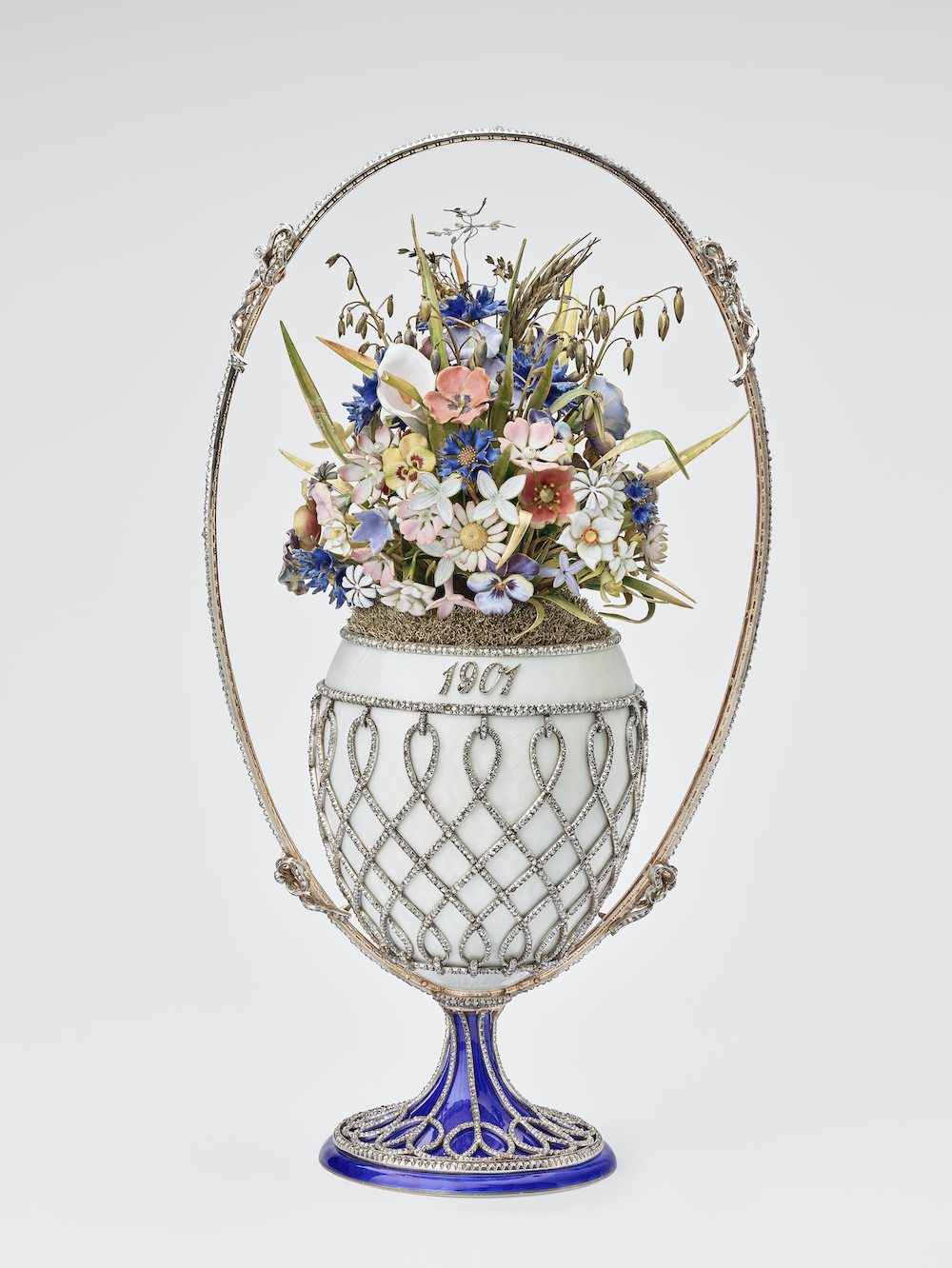
Lots of pieces in the exhibition are loaned by the Queen including Empress Alexandra Feodorovna’s Basket of Flowers Egg.
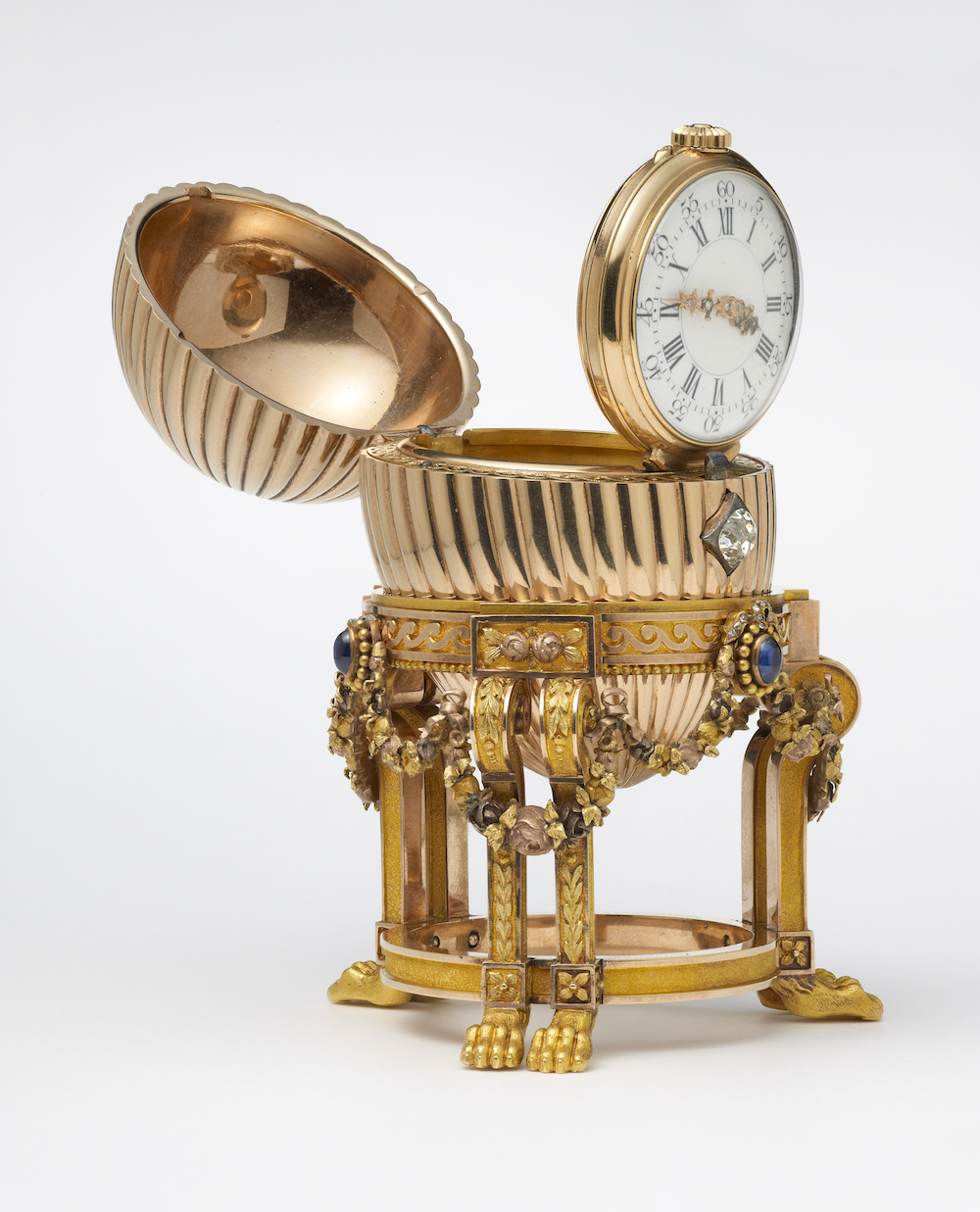
This recently discovered Third Imperial Egg of 1887 was found by a scrap dealer in 2011. It had been lost for many years, and was bought for gold at a Midwest flea market when the buyer realised it looked like a Fabergé and contacted Wartski. The yellow-gold egg stands on a lion paw feet and is encircled by gold garlands with sapphires set with rose diamond bows.
Do visit in person to see the details up close. Previously sold out, more tickets have recently been released and it’s now booking until 8 May 2022.

A Little Bird Loves